
Active Warrants in Livingston County
Most public warrants in the county trace back to the 53rd District Court, which handles misdemeanors, traffic and civil infractions, and the first steps of felony cases. The court publishes an open warrants list as a PDF at the 53rd District Court open warrants page. Felony matters can start in District Court and later bind over to the 44th Circuit Court, so a single case may move between two courts as it proceeds.
The published list is a snapshot, not a live database. Each file carries a generation date and time in its header, and a fresh version replaces the old one when the court regenerates it. A name can drop off after an arrest, a court appearance, or a quashed warrant, but the update is not instant. Because of that lag, the list should be treated as a lead to verify, never as proof that a warrant is or is not active on a given day.
Search warrants and sealed matters do not appear on the public list. Neither do many federal or out-of-county warrants. The roster reflects District Court cases the court has chosen to publish, which is why the phone and in-person channels below matter so much.
Types of Warrants in Livingston County
Not every warrant works the same way. The reason a warrant issues shapes how a person clears it and whether it shows on the public list at all. These are the categories that come up most often in Livingston County courts.
- Arrest warrant - Issued after a court finds probable cause or after a complaint is authorized, directing police to arrest a named person.
- Bench warrant - Issued from the bench when someone misses court, ignores an order, or is held in contempt.
- Failure-to-appear warrant - Common in District Court traffic, misdemeanor, and civil-infraction cases when a defendant skips a scheduled date.
- Probation warrant - Issued for an alleged probation violation while a person is under court supervision.
- Search warrant - Authorizes a search of a place or property, usually sealed or nonpublic before it is executed.
- Fugitive or out-of-county warrant - May involve a hold or extradition question and should be confirmed directly with law enforcement or the court.
How to Search Livingston County Warrants
There is no fill-in search form for warrants in the county. The open warrant list is a static PDF, so a name check means opening the document and reading or text-searching it. Underlying case detail lives separately in the state case-search system.
- Open the current PDF at the 53rd District Court open warrants list and note the generation date in the header.
- Use your browser or reader find tool to search the name, since the list is sorted but has no query box.
- Match the case number and birth year, because names repeat and the year is the only identity check the list provides.
- Look up the case in MiCOURT Case Search for hearing history and case status.
- Call the 53rd District Court at (517) 548-1000 to confirm that a listed warrant is still active before acting on it.
Livingston County Warrant Search Fields
The open warrant PDF holds only three data columns plus a header timestamp. It offers no name, date-of-birth, or case-number entry box, so the columns below are all a reader has to work with. Knowing the format prevents mismatches between people who share a last name.
| Field Label | Type | Required | Notes |
|---|---|---|---|
| CASE# | PDF column | n/a | Examples include 20-0803-SD, 22-0063-FY, and V-numbered cases |
| NAME | PDF column | n/a | Slash-separated surname, given, and middle name format |
| BIRTHYR | PDF column | n/a | Year of birth only, not a full date of birth |
| Report Date/Time | PDF header | n/a | Shows when the list was generated, such as a morning timestamp |
| Search field | None | n/a | No web form exists; use the browser or reader find tool |
What a Livingston County Warrant Record Shows
A reader hoping for a full warrant file will find the public list thin. It confirms that a name and case appear on the open roster, and little more. The detail that decides bond, charges, and next steps stays inside the court file.
The public open warrant list shows:
- The case number tied to the warrant.
- The listed person's name in surname, given, and middle order.
- The birth year, used as a rough identity check.
- The date and time the report was generated.
The public list does not include any of the following, which is why a call or a court visit is almost always needed:
- Full date of birth, address, or photo.
- Charge narrative, bond amount, or warrant type.
- Issuing judge or arresting agency.
- Whether extradition applies or a specific next court date.
Who to Call About a Livingston County Warrant
Because the online list is limited, a phone call is the fastest way to confirm a warrant and learn what it involves. The court answers questions about its own cases, while the sheriff handles arrests, holds, and jail status. Anonymous tips about a wanted person go to a separate line.
53rd District Court
204 S. Highlander Way, Suite 1
Howell, MI 48843
(517) 548-1000
Mon-Fri 8:00 a.m.-5:00 p.m.
Livingston County Sheriff's Office
150 S. Highlander Way
Howell, MI 48843
(517) 546-2440
Jail (517) 546-2445
For situations that are not a court question, use the right line the first time. Non-emergency dispatch answers at (517) 546-9111, and the confidential Sheriff tip line takes anonymous information at (517) 546-8477. Any crime in progress or emergency should go to 911.
What to Do If You Have an Outstanding Warrant
Finding your own name on the list is unsettling, but ignoring a warrant only makes an arrest more likely at the worst moment. The county publishes an appearance window for exactly this situation, and a planned resolution beats a roadside surprise. The steps below follow the court's own guidance.
- Confirm the warrant by calling the court or law enforcement rather than relying on a PDF entry alone.
- Identify the court, since most public local warrants are District Court cases and some felonies later move to Circuit Court.
- Use the published warrant appearance window, Monday through Friday from 9:00 to 9:30 a.m., for felony, misdemeanor, and civil-infraction matters.
- Bring photo identification and allow time for security screening at the Judicial Center.
- Ask about bond and payment rules before you arrive, because not every payment can be made on the spot or online.
- Coordinate with your attorney or the public defender if you are represented or eligible for appointed counsel.
- Allow time after resolution for court and law-enforcement systems to update, since the list does not clear the same day.
Important: Talk with a criminal defense lawyer or the public defender before you surrender, since counsel can prepare a bond argument and protect your rights at the first appearance.
Bond and Payment Limits for Warrant Cases
Clearing a warrant often means posting bond or paying a fine, and the county limits how that money can move. The District Court online payment portal accepts many tickets and case balances, but it will not take bond, and restitution cases must be handled in person or by mail. On traffic matters, restitution and bond can be paid only in cash or a United States money order.
A separate consequence catches many people by surprise. An unresolved traffic case can affect a driver record held by the state, not just the court file. The Michigan Secretary of State explains how a driving record is built and corrected on its driving record service page.
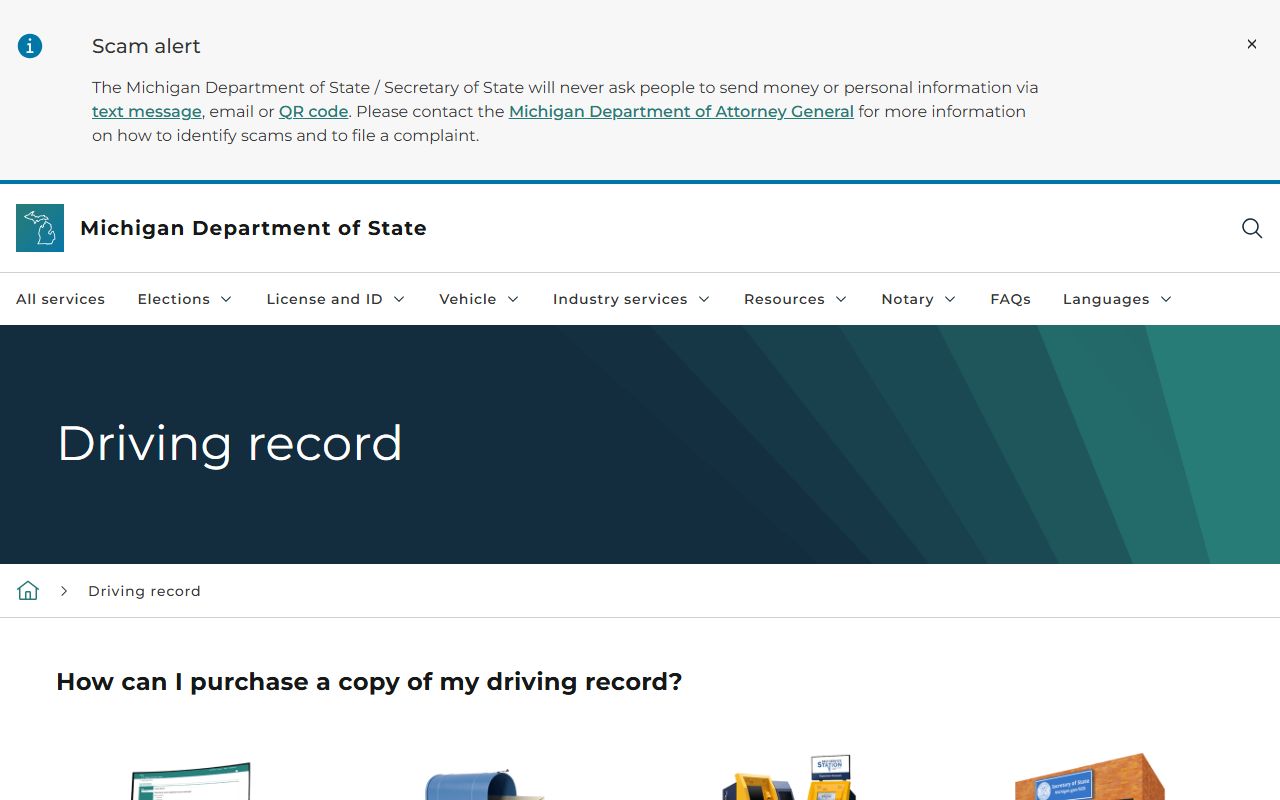
Because the driving record and the court warrant are two different files, clearing one does not automatically fix the other. A person who resolves a District Court warrant may still need to check the state record to confirm a hold or point entry was updated.
Livingston County Warrants and State Databases
Statewide tools help fill in context, but none of them is a live warrant checker. The Michigan Department of Corrections runs the Offender Tracking Information System, which lists prisoners, parolees, and probationers under state supervision. The department describes what the system covers on its OTIS overview page.
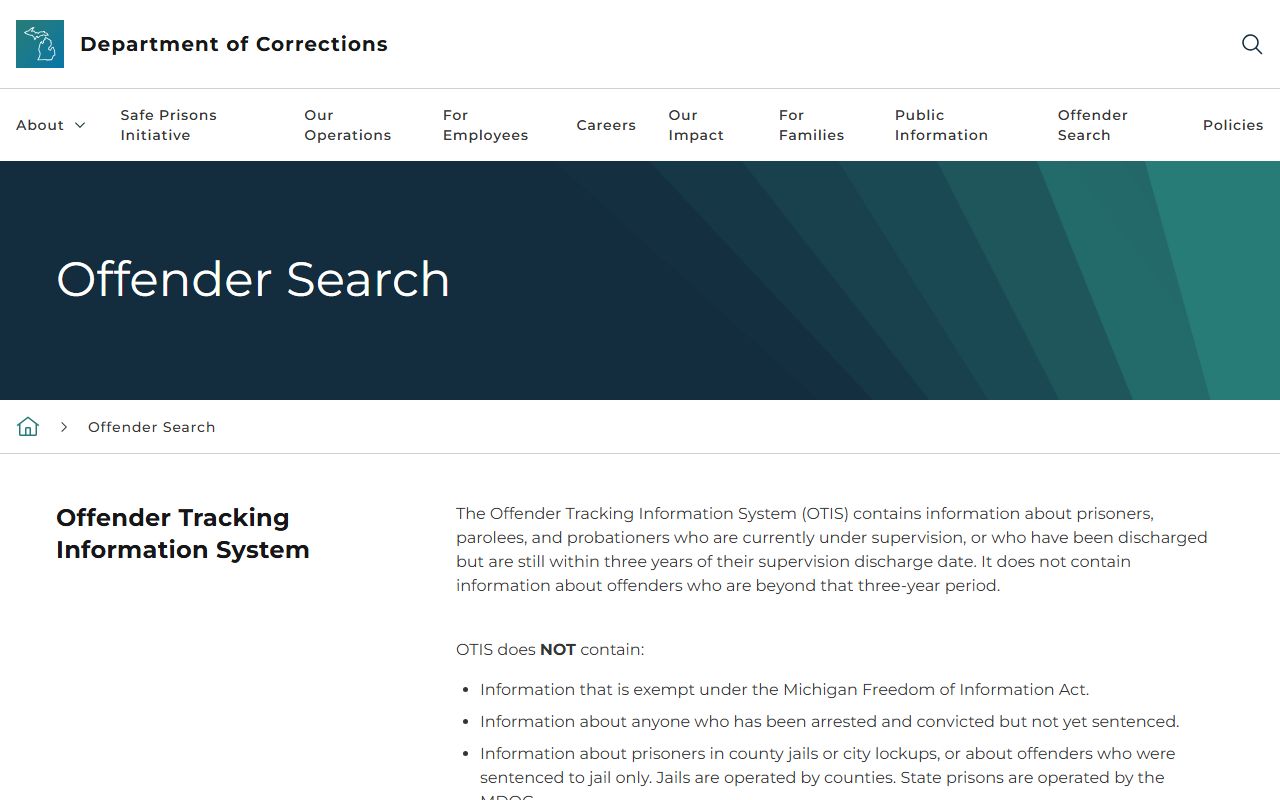
OTIS answers whether someone is already under state supervision, which is different from an open local warrant. For criminal history, the Michigan State Police Internet Criminal History Access Tool at the ICHAT portal returns public conviction records but expressly excludes warrant, traffic, and juvenile information. Neither tool should stand in for a call to the 53rd District Court.
Requesting Police Reports and Sheriff Records
People researching a warrant often want the report behind it. The Sheriff's Central Records unit handles criminal reports, crash reports, local record checks, fingerprinting, and Freedom of Information Act requests. Its process and contact details appear on the Central Records page.
Crash reports can be picked up in person or bought for a set fee through the Michigan State Police site, with some taking several days to be ready. Criminal reports and field contacts usually require a request submitted through the Livingston County FOIA portal and often take a week or more. Warrants themselves may stay restricted while a case is active.
Restricted Livingston County Warrant Records
Not every warrant is meant for the public to see. Search warrants are generally not published before they are carried out and are often sealed or nonpublic during an investigation. Making that detail open would defeat the purpose of the search.
Juvenile matters carry their own confidentiality rules, and federal warrants are handled outside the county system entirely. When a warrant is sealed, active, or law-enforcement-sensitive, even a FOIA request may be denied or delayed until the case allows release. For anyone building a full picture, the case file and sentencing in the Livingston County criminal court records and the charges tracked in the county arrest and court charge records often explain more than a one-line warrant entry ever could.
Note: A name that leaves the open list has not always cleared the underlying case, so confirm status with the court before assuming a warrant is resolved.